mAIn Street - Thursday, June 11, 2026
Thursday’s mAIn Street: jobs, cyber deadlines, AI legal mistakes, hidden AI use, agent payments, and practical prompts.
| |
|
Thursday, June 11, 2026
mAIn
STREET
|
|
|
AI news for people who actually have jobs to do.
|
|
Same-day stories with human stakes, practical tools, and business consequences. Every story below links to a source you can check.
|
|
Today's throughline
AI is moving into real rules and daily workflows: workers are worried, agencies are tightening cyber deadlines, courts are punishing sloppy use, and businesses are starting to let software handle money.
|
|
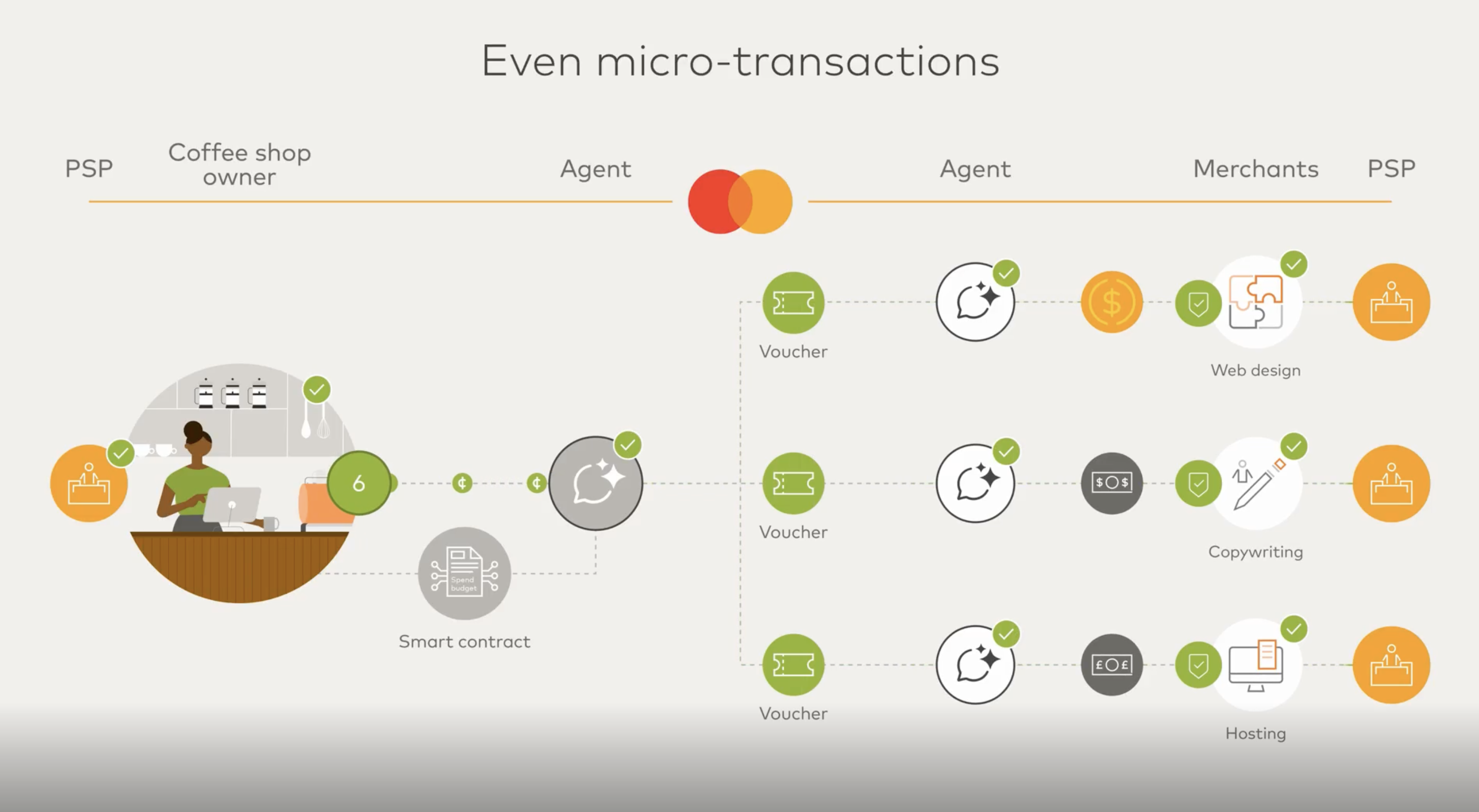
Graphic: Mastercard. Mastercard’s agent-payment announcement is one of today’s Top 5 stories.
|
|
|
Top 5
What mattered most today
|
|
01
|
The number gives managers and educators a plain warning: people need honest task-level guidance, not vague reassurance.
|
|
|
02
|
AI is shrinking the time between finding a software weakness and seeing it attacked, so security teams have less room to wait.
|
|
|
03
|
The lesson reaches past law firms: AI can help draft work, but a professional still owns the accuracy before anything goes out.
|
|
|
04
|
When people keep their best AI tricks private, teams lose shared learning and leaders miss the chance to set safer norms.
|
|
|
05
|
This is payment plumbing for software that can buy small services, settle fees, and stay inside spending rules without a person clicking every step.
|
|
|
|
|
Useful Prompts
3 prompts worth stealing today
Practical prompts based on real job duties people already do.
|
|
Prompt
Rank growth ideas before you spend money
Use this when a manager has several campaign or program ideas and needs a fair first pass. Built from product-growth duties that ask for financial impact, forecasting, and prioritization.
I have these possible growth ideas: [paste ideas]. For each one, estimate likely customer impact, cost, time to test, risk, and what data we would need. Put them in a table. Then rank them in three groups: test now, research more, and park for later. Explain the top three choices in plain English for a manager who has to defend the budget.
|
|
|
Prompt
Turn campaign data into a client-ready update
Use this when a campaign is running and you need to explain performance without drowning people in numbers. Built from ad-operations duties around reporting, trends, and recommendations.
Here is the campaign data: [paste metrics, budget, dates, audience, creative notes, and any issues]. Write a short client update with four parts: what changed, what is working, what needs attention, and what I recommend next. Keep the language clear enough for a non-marketer, and flag any missing data before making a recommendation.
|
|
|
Prompt
Build a real-world lesson plan from a required topic
Use this when a teacher or trainer needs a lesson that includes practice, feedback, and different learner needs. Built from teaching duties around inquiry, differentiation, assessment, and real-world projects.
I need to teach this topic: [topic]. My learners are [grade, role, or skill level]. Build a lesson plan with an essential question, a short opening activity, one real-world task, support for learners who need extra help, an extension for advanced learners, and one quick assessment. Include the exact feedback I should give if a learner is close but confused.
|
|
|
New AI Tool
One tool worth a look today
|
|
SellerClaw is a live e-commerce operator from SellerAI. It can create product pages, sync listings, manage ads, handle orders, and support store operations across Shopify, eBay, Amazon, Google Merchant Center, and related tools.
For a small retailer, those are already real jobs: building listings, checking margins, pricing products, watching orders, and answering customer questions. The safe first test is one low-risk workflow with human approval before anything publishes, spends money, or contacts a customer.
|
|
|
Headlines
The fuller read
|
|
Work, jobs & hiring
|
Reuters
The number gives managers and educators a plain warning: people need honest task-level guidance, not vague reassurance.
|
Harvard Business Review
When people keep their best AI tricks private, teams lose shared learning and leaders miss the chance to set safer norms.
|
Greenhouse
Hiring teams are drowning in applications. The safest use case is helping teams organize notes, reports, and candidate context while people make the judgment calls.
|
Go1
Training software now touches data, privacy, cost, and workflow, so finance, IT, legal, and department leaders are joining the conversation.
|
Lattice
Managers are being asked whether AI helps teams do better work. Tools like this try to connect the promise to actual business results.
|
BCG
The practical lesson is plain: train people on the tasks they already do, then measure whether speed, quality, or service improves.
|
Skan AI
Many AI rollouts fail when the tool understands the job title but misses the messy handoffs, exceptions, and judgment calls inside the work.
|
TechCrunch
AI agents need company rules, permissions, and definitions before they can handle real work safely.
|
Investing.com
His point is useful for buyers: the model may be powerful, but the value comes from fitting it into the real workflow, data, and rules of the business.
|
IBM
As costs rise, leaders need to connect every AI use case to a clear workflow, a clear outcome, and a number someone can defend.
|
|
|
|
Small business, payments & operations
|
Mastercard
This is payment plumbing for software that can buy small services, settle fees, and stay inside spending rules without a person clicking every step.
|
Constant Contact
The useful shift is practical: small teams can turn customer questions, photos, events, and reviews into regular marketing without hiring a large content team.
|
Lantern
This is a plain example of AI moving into everyday back-office work: orders, artwork, sales leads, accounting, and production schedules.
|
Kyndryl
As companies add more AI tools, they need one place to watch, approve, and fix the important steps.
|
PTC
Factories and product teams need designs, parts, service records, and compliance notes to line up before AI can speed the work.
|
TechCrunch
If routine work can run on smaller models, companies may spend less and stop treating the most expensive model as the default answer.
|
|
|
|
Public systems, health & education
|
Appian
Government AI is becoming daily workflow software, which means residents will feel the effects in permits, benefits, hiring, cyber defense, and service requests.
|
Healthcare Dive
This is a patient-stakes story because AI near approvals and care delays needs extra care, plain explanations, and appeal paths people can understand.
|
eHealth
People are already asking chatbots health questions, so clinics, schools, and benefits teams need easy guidance on when a real clinician should step in.
|
EdSurge
Helpful classroom tools still need money, training time, privacy review, and teacher support before they can reach students responsibly.
|
BCG
Good AI use still depends on judgment, communication, critical thinking, and the confidence to check the machine.
|
Cornell Chronicle
The project focuses on safer AI-generated code, which matters because more teams are asking agents to build software from short prompts.
|
|
|
|
Trust, legal & security
|
Reuters
AI is shrinking the time between finding a software weakness and seeing it attacked, so security teams have less room to wait.
|
Reuters
The lesson reaches past law firms: AI can help draft work, but a professional still owns the accuracy before anything goes out.
|
Reuters
When software can take steps on its own, banks need clearer limits, logs, and human checkpoints before mistakes move money.
|
Nasdaq Verafin
Banks and credit unions are using AI to sort alerts faster, but the work still needs strong review because missed fraud has real victims.
|
BioCatch
The same agent tools that can help customers can also help criminals move faster, so identity checks need to get smarter.
|
Netwrix
A simple lesson for small teams: know which AI tools can see which files before a rushed experiment becomes a security problem.
|
TechCrunch
Personalization can be helpful, but stored context can also make a model agree with a mistake it should have challenged.
|
TechCrunch
The model is powerful enough to need safety limits, while early users say broad blocks can also slow ordinary defensive work.
|
Reuters
That is the workplace version of the bigger Fable story: powerful tools still need clear rules for sensitive company and customer data.
|
|
|
|
Models, infrastructure & the physical world
|
Google
The idea is simple: instead of typing one word at a time, the model drafts chunks in parallel, which can make local AI feel faster on the right hardware.
|
Reuters
The money behind AI is getting too large to ignore because server farms, chips, and power needs eventually flow into business costs.
|
TechCrunch
For people outside software, this shows why AI is moving into the physical world: companies can test rare situations without waiting for them on real roads.
|
Kyndryl
The next hard problem for many organizations is making separate AI tools work together without creating chaos.
|
PTC
Product teams want AI help across design, maintenance, service, and field data, not only in one isolated step.
|
NVIDIA
The companion hardware work explains why the model matters: faster local generation could make some AI tools less dependent on cloud calls.
|
|

Photo: Carl Lender via Wikimedia Commons, CC BY 2.0.
|
|
|
mAIn Street is built for nontechnical readers who want the signal, not the sludge.
|
|
|
|